Facts checked 2026-11-15.
A restaurant build-out in Texas passes through more than one office. Texas Commercial Kitchen Connect is a referral service. You tell us about the project, we pass the request to general contractors that work in your area, and the company you pick does the building.
Where a project starts
Start with the health department that covers the address, before a lease is signed or equipment is ordered. The state food rules let that office ask for plans on new construction, a conversion or a remodel. If it does, the plans come in before work begins.
The Texas Department of State Health Services (DSHS) has a map for finding the right office. DSHS itself permits restaurants only where no city, county or public health district does.
What goes in the plan set
The health authority can ask for these items:
- the menu you intend to serve
- how much food you expect to store, prepare and sell
- the floor layout and mechanical drawings
- an equipment schedule with the maker, model, location and capacity of each piece
A contractor who builds restaurants will know this list. Ask whether the company has worked with your city's health office before.
Get prices for this job. Send one request and pick how many local companies quote it.
Get quotesPermits come from the city
Building, mechanical and plumbing permits are issued by the city permit office. Texas has no single statewide fire code, so each city picks the edition it enforces and the changes it makes. Houston and Dallas both enforce the 2021 International Fire Code with their own amendments.
A kitchen build usually touches these approvals:
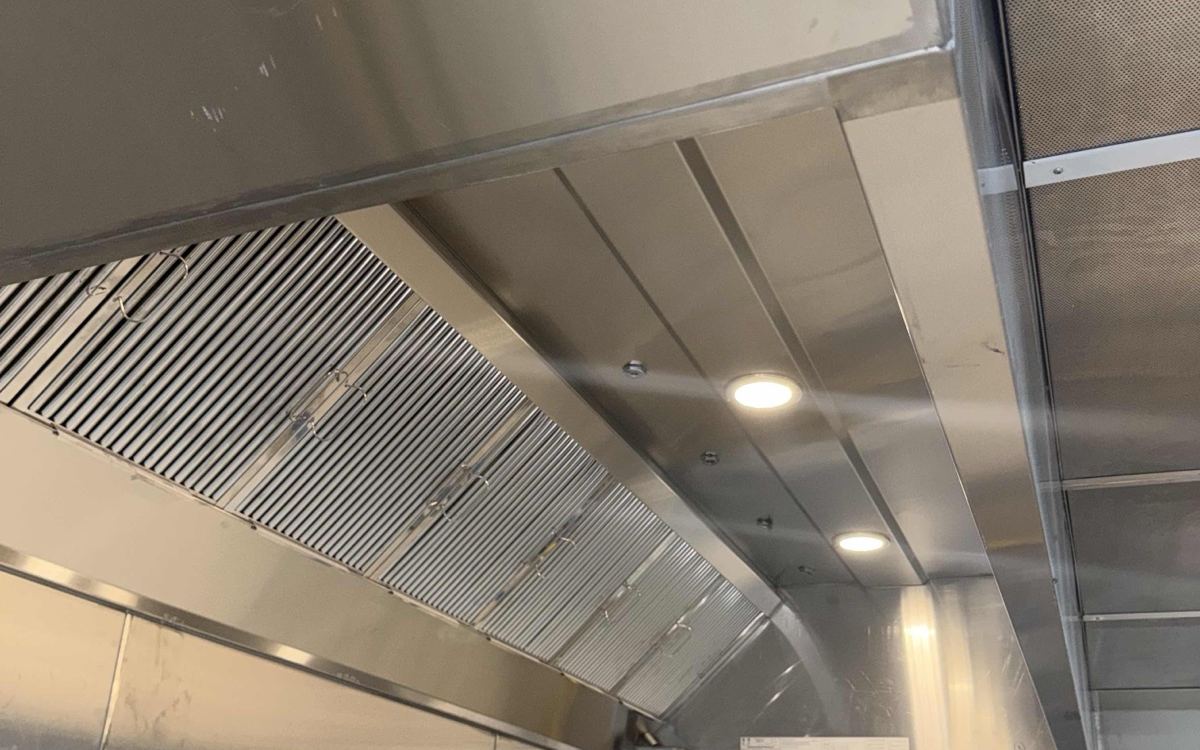
- a mechanical permit for the hood and exhaust, in Houston through its Mechanical Inspections section
- a fire permit for the suppression system, which Dallas lists in its fee schedule
- grease trap or interceptor review, which Dallas wants submitted with the construction drawings
The grease trap needs an early decision
The grease interceptor is easy to leave until late. Dallas expects its submittal with the plans for any location that needs a health permit. The state's model rule for cities puts the trap in and inspected before the certificate of occupancy, though a city may choose differently. Ask your city when it wants the trap reviewed.
Pre-opening inspection
After construction, the health authority may inspect to confirm that the kitchen was built and equipped as the approved plans show. Changing a piece of equipment after approval can put the kitchen out of step with the plans, so tell the reviewer first.
Alcohol is separate. The Texas Alcoholic Beverage Commission issues those licenses and permits.
What to ask a contractor
- Which city permits does the company pull on a kitchen job, and which does the owner pull?
- Has it handled a hood and suppression system in your city before?
- Who coordinates the health plan review?
- Who handles the fire marshal's inspection?
We check licenses where the law requires one. We do not price the job, sign the contract or supervise the work. Rule questions go to the office that decides, such as your city fire marshal or health department.
What to have ready
A rough square footage, the address, whether it is new construction or a remodel, and the equipment you plan to use. A contractor will ask for the lease status and your target opening date.
Questions
Do I need plans reviewed before building a restaurant in Texas?
Possibly. The health authority may require plans for new construction, conversions and remodels, so call the office for your address before you start.
Who issues the building permit for a Texas restaurant?
The city permit office issues building, mechanical and plumbing permits. The health department issues the food permit, and the two do not replace each other.
Does a restaurant build-out need a grease trap review?
Often it does. Dallas asks for the grease interceptor submittal with the plans, and other cities set their own timing.